
I've spent fifteen years building operational structure inside companies that were moving faster than the way they ran, across Europe, across sectors and stages of growth. The context changed constantly. The problem underneath never did.
The companies I work with now are growing faster than the way they run. A leadership team that meets but doesn't decide. New hires who are capable but can't find their footing because the context they need was never made explicit. Functions that work well on their own and break the moment they need to coordinate. A founder who hired the right people and still can't step back, not because they don't trust the team, but because nothing was ever built to run without them.
What I've learned is that these problems are rarely just structural. There's always a human layer underneath: a founder whose identity is still tied to being the person who holds everything together, a team that has learned to wait rather than move, a leadership group that has confused alignment with agreement. Getting the structure right matters. But so does understanding what's driving the behaviour that keeps breaking it.
That combination is something I trace back to studying design. Design taught me to look at how people actually move through systems, where friction builds invisibly, and what needs to change for things to work the way they were intended. It turns out that's most of what operational work is.
I work directly with the founder and the team, inside the business, building what needs to exist for the stage the company is actually at. The goal is always the same: a company that can keep delivering as it grows, without the seams showing every time it adds ten people.
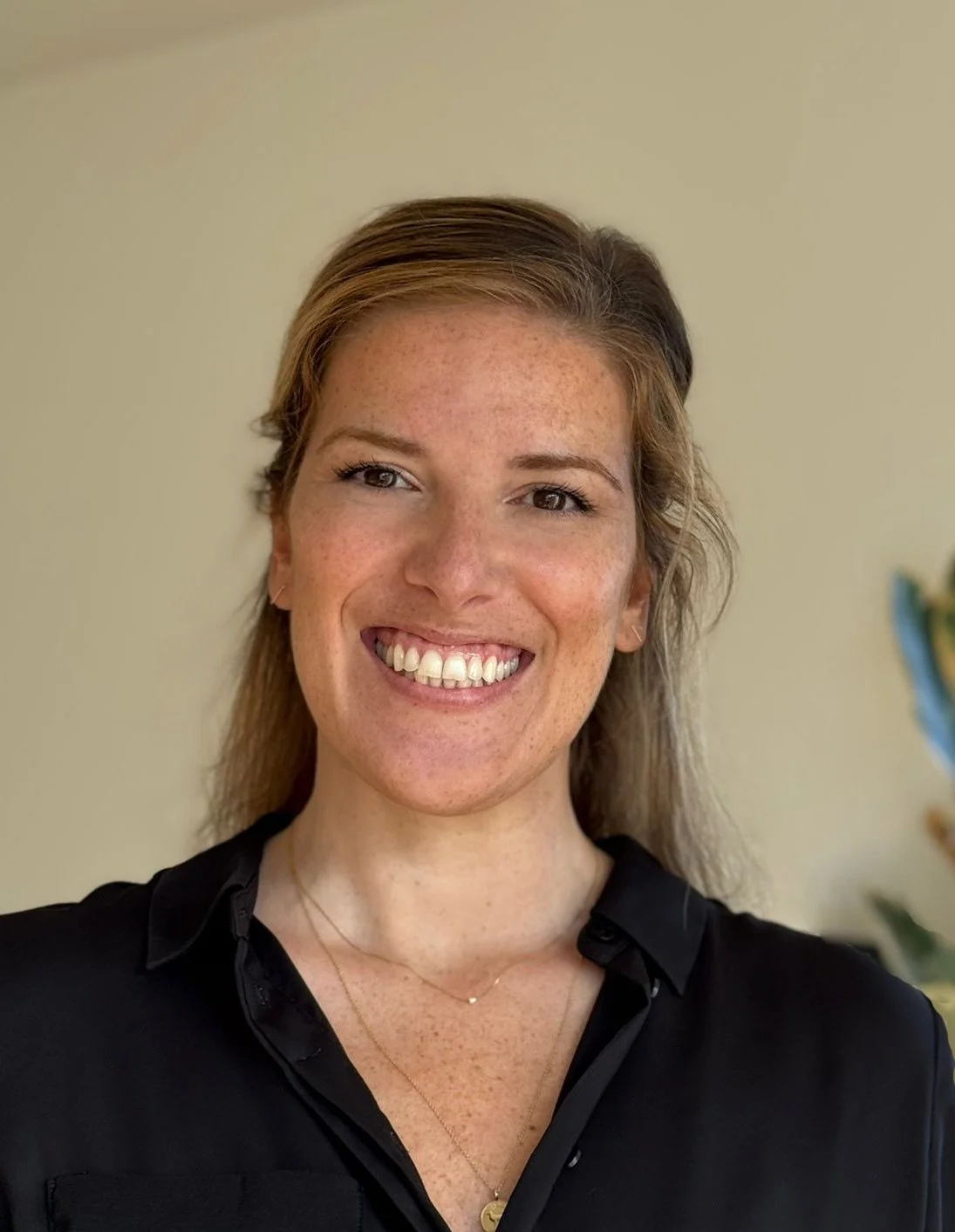
I'm Sara.
How I got here
When I left Zurich, I wasn't looking for a business idea. I came back to Portugal for family, and spent the first months networking, meeting people over coffee, seeing where conversations went.
The same conversation kept happening. A founder describing the moment when growth stopped feeling exciting and started feeling heavy. More people, more decisions, more things routing back through them than they ever intended. The team was good, the effort was real, and yet somehow everything still felt harder than it should. They didn't need a full-time COO with a full-time salary they weren't ready for yet. They needed the company to start carrying its own weight.
I recognised what they were describing immediately, because I had spent years inside exactly that problem. Building operations from scratch at companies that didn't yet have them. Restructuring teams when the structure had quietly stopped working. Keeping things moving when the foundations underneath weren't keeping up with the pace above. Different sectors, different stages, different countries. The context changed constantly. The problem underneath never did.
What struck me about those early conversations wasn't just that I could help. It was that I wanted to help more than one company at a time. The fractional model made that possible: to bring the same depth of operational thinking to multiple founders at exactly the moment they need it.
That's still what drives it. Not the model. The work.
In the press
In June 2026, Startups Magazine UK quoted me on the investment gap facing women founders in Europe and why operational strength so rarely translates into funding advantage.